
Stop just watching Japanese woodworking. Start doing it yourself.
Learn to tune, sharpen and use Japanese hand tools, then build traditional joints and projects on your own.
Start your membership now!
First 14 days are free!
Best Value!
$24.1
/ month
$290/year
Unlimited Access To All Courses
Access to the Discussion Forum
First 14-Day Free Trial Included
$29
/ month
$29/month
Unlimited Access To All Courses
Access to the Discussion Forum
First 14-Day Free Trial Included
From Our Library
Meet Your Instructor
Hisao Zen is a Japanese woodworker and educator based in Australia, specialising in traditional Japanese joinery and manual tool work. He trained under a master craftsman in temple and shrine architecture, where precision, structure, and hand skills were essential.
Through years of hands-on experience with chisels, kanna, and layout tools, he learned not only how to cut joints, but how to understand the structure behind them. His teaching focuses on clarity, fundamentals, and step-by-step progression.
DIY Japanese Joinery was created to share traditional techniques in a way that is accessible to serious beginners and makers around the world.
Hisao Zen
Founder of DIY Japanese Joinery

Precision Starts with a Single Line.
Download the Structural Diagram of the Traditional Kehiki.
Master the foundation of Japanese joinery with a detailed structural diagram of the traditional marking gauge (Kehiki). Clear measurements. Clear proportions. No guesswork.
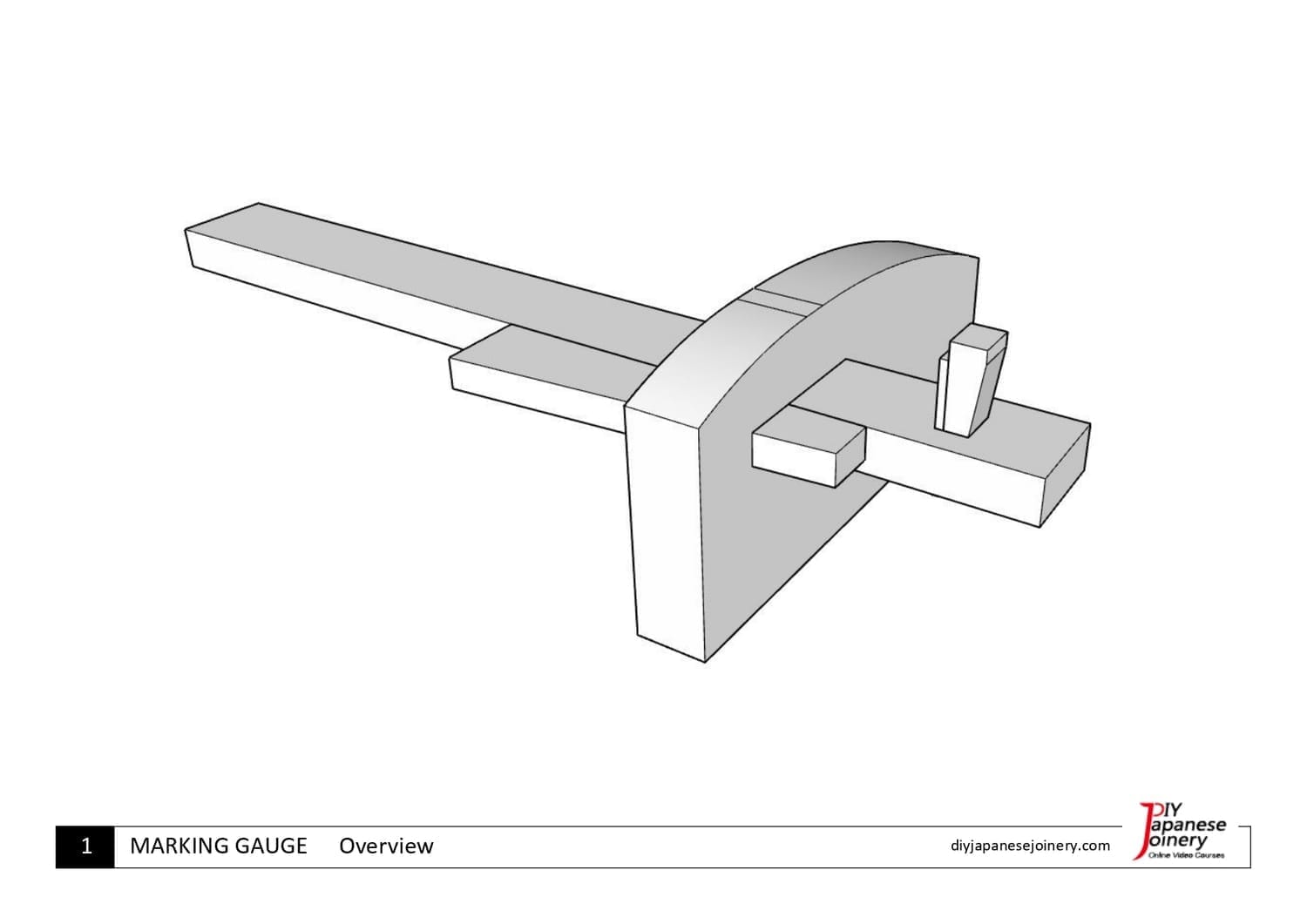
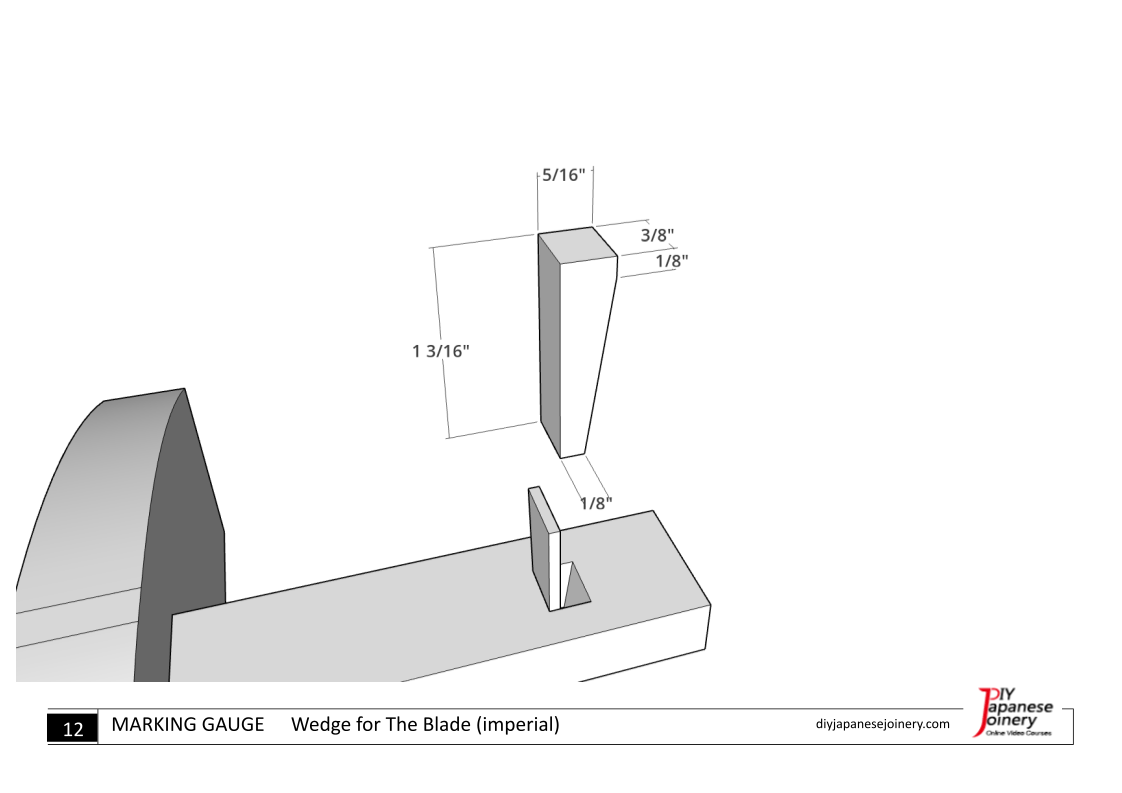
Before you build, understand the structure.
By submitting this form, you provide your explicit consent to receive ongoing communication, including promotional content, updates, and reminders via email in accordance with our Terms/Conditions, Privacy Policy.
© 2026 DIY Japanese Joinery. 24 Einstein Avenue Mulgrave VIC 3170, Australia
Legal Notices: Visit our terms and conditions page to view important information that will help you understand the benefits and limitations of our work. You can also view our privacy policy. All pricing is in U.S. dollars.


©2017–2026 DIY Japanese Joinery
All pricing is in U.S. dollars.
Some images by Freepik